






What does Common Purpose do?
Common Purpose runs a number of leadership development courses
for people at different stages in their career, as well as a range
of customised courses and special events.
The courses vary in length and content but they all involve
participants and contributors from the private, public and
voluntary sectors. This mix is an integral and unique feature of
Common Purpose courses, where the aim is to bring together people
who might ordinarily never meet in their day to day working
lives.

The courses are facilitated by experienced professional staff
and contributors come from a huge range of backgrounds and sectors.
For example: from the legal profession, business, finance,
manufacturing, retail, transport, politics, through to those from
faith organisations, community groups, charities and aid agencies.
Contributors are leaders in their own organisations and therefore
able to provide fascinating insights into how they lead and how
they work with other bodies and individuals.
Common Purpose courses are not classroom based. Instead
participants are encouraged to step outside their usual environment
and grapple with real-life problems at first hand.
Those attending Common Purpose courses vary: from participants
who hold established leadership roles at work and in the community;
to those who have held such a role, but are now looking to use
their leadership skills in retirement; those beginning their
careers and keen to develop their leadership potential; right
through to young people at school who want to understand more about
leadership and build on their existing experiences.

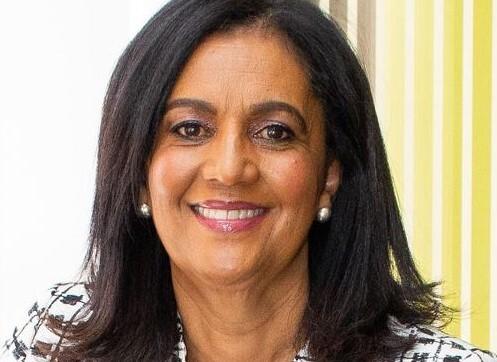
Elsbeth Dixon, CEO, talks about diversity
This means they visit places they might never see or experience.
For example, prisons; housing developments; manufacturing plants;
stock exchanges; headquarters of public and private companies;
hospices; charities and government departments. And there is an
opportunity to see at first hand how decisions are made in a wide
range of settings.
This helps participants gain an understanding, not only of how
other organisations function, but also how leaders in those
organisations are held accountable in different ways. For example:
a leader working for a political party may be held accountable in a
very different way to a leader whose primary responsibility is for
delivering humanitarian aid, or to a leader charged with delivering
regular profits for shareholders.
The courses explore such differences and provide insights into
how leaders in different organisations make decisions and the
techniques they use. For example, participants from the private
sector might see at firsthand how conflict resolution techniques
are used in the voluntary sector. In this way, participants are
constantly encouraged to broaden their horizons when making
leadership decisions and be willing to embrace new approaches.
What underpins all Common Purpose courses is a belief that
society benefits from people of all ages, backgrounds and cultures
working together to help guide and shape the future of their
organisations and communities. This is best achieved when leaders
are able to realise their full potential, through broadening their
horizons and establishing firm roots in their communities.